
The Origin and Heritage of the Pomeranian – From Arctic Sleds to Royal Palaces
How robust Baltic working dogs transformed into the world's most glamorous toy companions
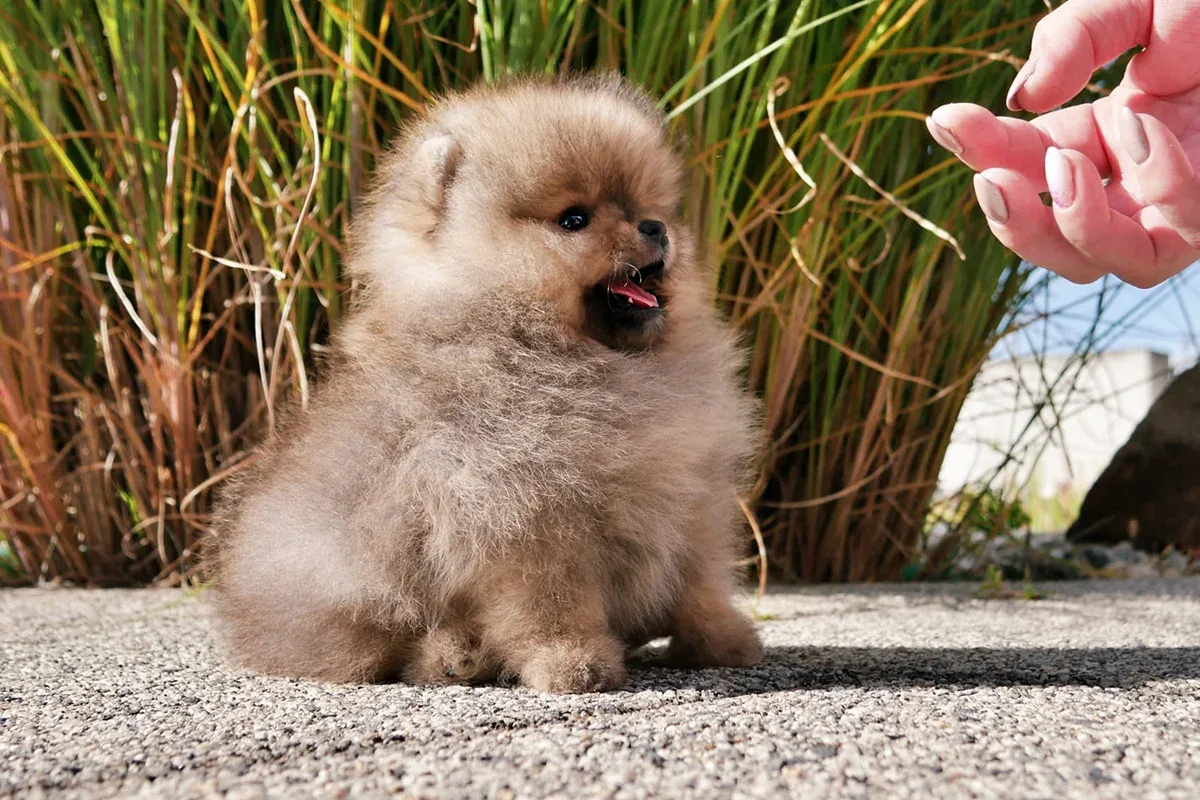
Explore the fascinating history of the Pomeranian: Baltic origins, Queen Victoria's royal breeding legacy, and the evolution of the official FCI breed standard.
The Pomeranian toy spitz may be compact in size, but it possesses one of the grandest personalities and oldest pedigrees in canine history. Tracing its lineage back to the Baltic region of Pomerania (spanning present-day north-west Poland and north-east Germany), the breed evolved directly from ancient Arctic spitz working dogs.
In their earliest iterations, these ancestral dogs weighed upwards of 25 to 30 pounds (11–14 kg). Prized for their unflinching alertness, endurance, and weather-resistant double coats, they served as versatile helpers—herding livestock and guarding merchant barges along northern European waterways.
The pivotal transformation of the Pomeranian took place in the royal courts of Great Britain. Queen Charlotte introduced the breed to England in 1761, but it was her granddaughter, Queen Victoria, who became the breed's greatest champion. Victoria established her own breeding kennel and intentionally bred the dogs down to toy proportions. Her prized Pomeranian, 'Marco', weighed only 12 pounds and captured multiple show titles.
During the 20th century, selective breeding refined the silhouette to perfection. The FCI standardized the Zwergspitz / Pomeranian with an ideal withers height of 21 cm ± 3 cm, a fox-like expressive face, and a glorious plume of hair carried flat over the back.
At Magic Little Foot, we honor this noble ancestry by preserving authentic breed morphology, robust genetic health, and loving temperament across every generation.
Discover Our Knowledge Hub
Explore official international breed standards, comprehensive grooming protocols and responsible puppy parenting guides.