
How to Choose a Reputable Dog Breeder?
Choosing a puppy is often love at first sight. However, choosing the breeder should be a conscious decision for a lifetime.
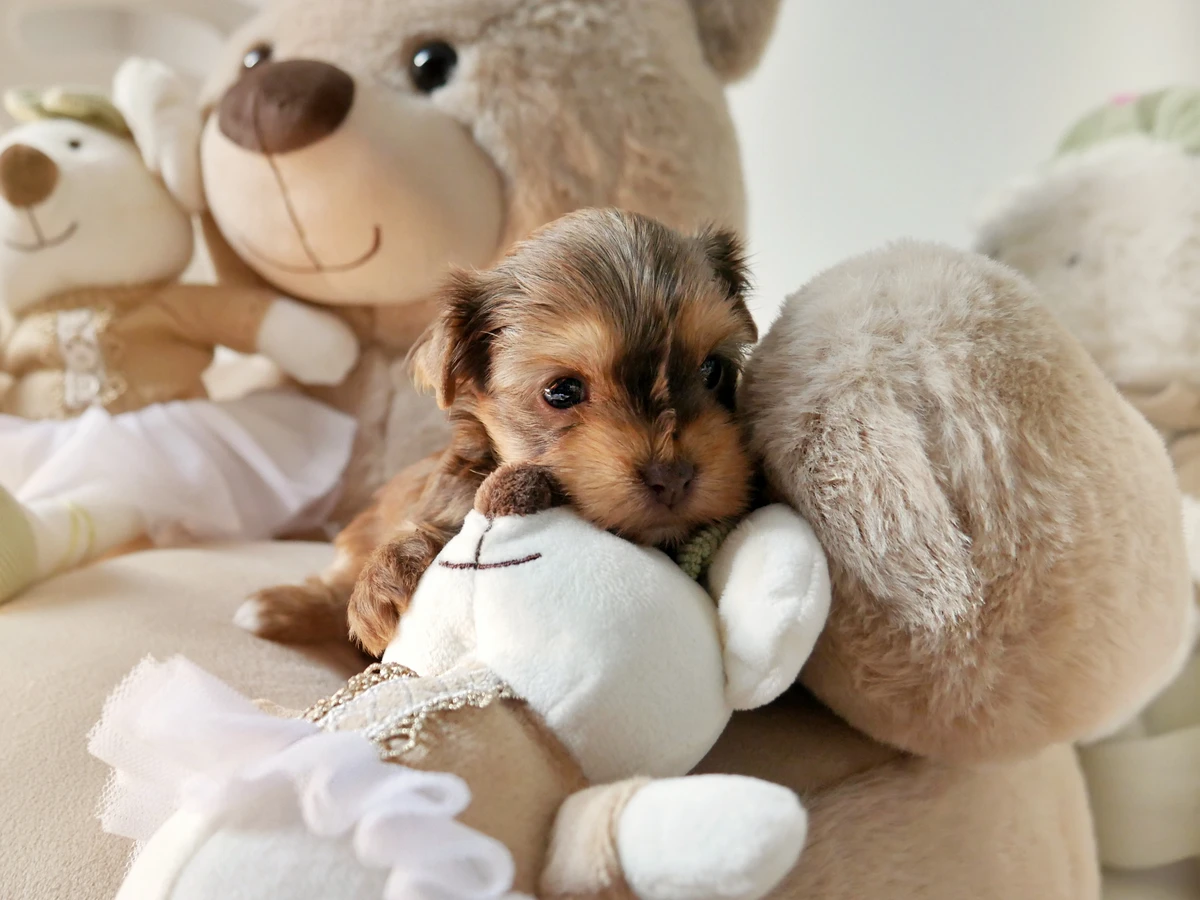
When seeing a photograph of an exquisite Pomeranian, Yorkshire Terrier, or purebred puppy, falling in love is effortless. Yet responsible puppy acquisition never begins with a photograph alone.
A puppy will become an integral part of your family for many years to come. Therefore, thoroughly vetting from whom you purchase is at least as crucial as deciding which individual puppy to welcome home.
And perhaps one of the most vital questions: What happens after the puppy leaves the kennel?
Examining the full picture: When selecting a reputable dog breeder, never search for a single isolated criterion. Examine the entire picture — from lineage and environmental standards to the quality of early puppy care and lifelong commitment.
Choose the breeder first – and only then the puppy
This is arguably the most valuable advice when purchasing a puppy. Most people mistakenly start backwards: they spot an endearing puppy in an advertisement or on social media, fall in love instantly, and only afterwards try to ascertain where it came from.
Reverse this order. First locate a breeder you can wholeheartedly trust. Then select among the puppies born in that dedicated program.
A puppy's momentary visual charm is merely the tip of the iceberg. Beneath the surface lies its genetic heritage, parents, lineage, the breeder's decades of experience, early socialization, and the hygienic environment of its formative first weeks.
What makes a truly good dog breeder?
There is no single standalone signal that proves someone is a premier breeder. Reliability is built from dozens of thoughtfully maintained details.
A responsible breeder thoroughly knows their breed and bloodlines, communicates transparently, answers questions patiently, welcomes visits or video tours, operates with complete legal documentation, dedicates immense effort to puppy raising, and is deeply curious about what kind of home you will provide.
A true breeder doesn't merely praise advantages: They also discuss breed quirks, grooming demands, and potential challenges. They are not merely selling a dog — they are dedicated to placing the right puppy into the right family.
Breeder experience is real value
In cynology, time is an irreplaceable asset. A breeder active for years or decades does not merely see a single current litter: they see generations.
They have witnessed how previous puppies developed into adulthood. They understand their adult dogs and the distinct nuances of their bloodlines. They know precisely how a tiny puppy weighing a few hundred grams blossoms into an adult Pomeranian or Yorkshire Terrier.
Don't just ask how many years someone has been active. Examine what standards, bloodlines, and trust they have built during that tenure.
Examine the breeder's history and track record
The internet provides powerful verification today. An established kennel has an extensive, traceable history:
- Review their website and social media presence spanning several years back.
- Look for previous litters: Are there photos of past puppies as mature adults?
- Are there returning families and authentic photo reviews from adoptive owners?
- Can you trace consistent development and rising standards over the years?
A breeder's authentic reputation cannot be fabricated overnight with a flashy campaign. Look beyond today's posts to understand their multi-year commitment.
A good breeder truly knows their breed inside out
A professional Pomeranian breeder knows far more than whether a pup is cute. They understand Pomeranian growth stages, breed standard anatomy, bone structure, double coat density, temperament, and delicate toy breed requirements.
The same applies to Yorkshire Terriers: they master the breed's spirited temperament, compact conformation, fine silk coat growth, and meticulous grooming protocols.
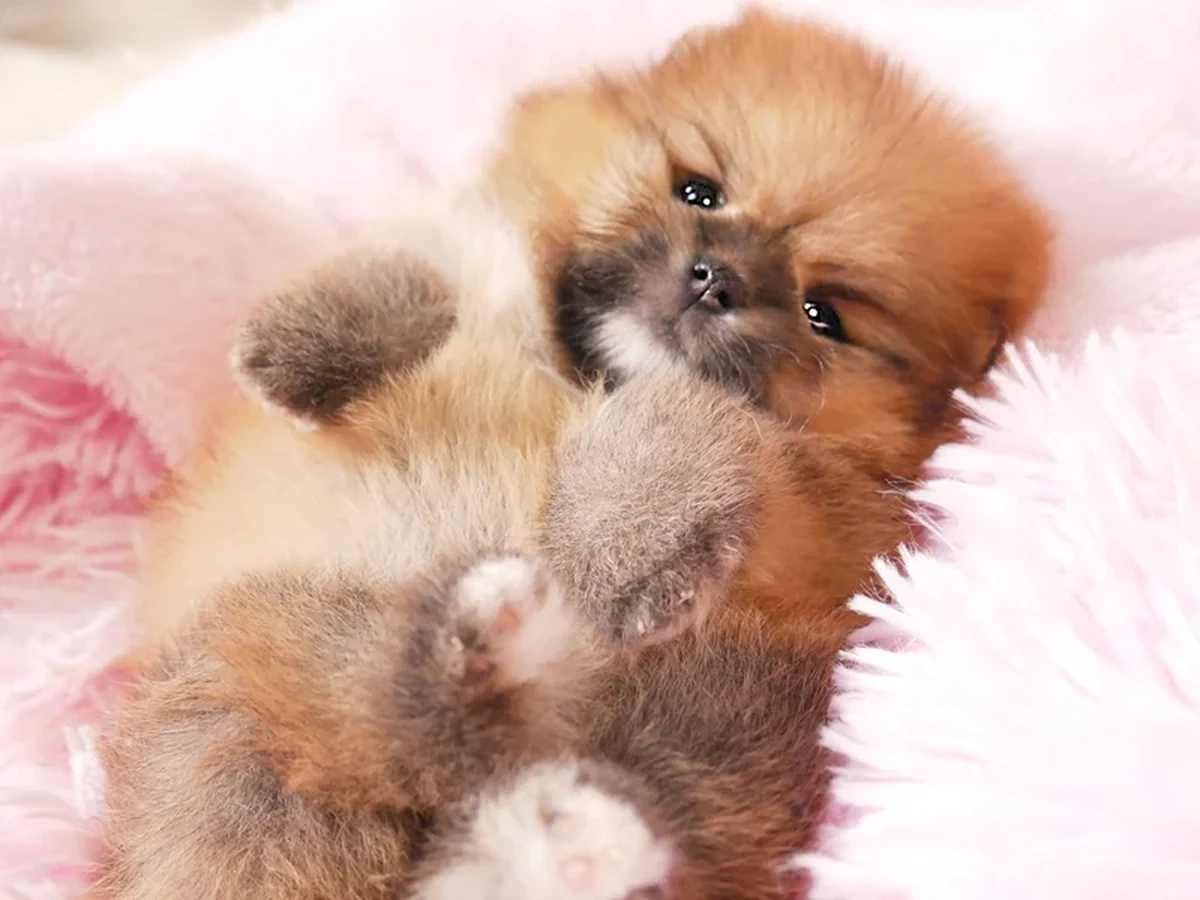
The mark of true competence: An experienced breeder doesn't just praise the breed. They will also candidly explain who this breed is not suited for. That honesty reveals more integrity than any promotional pitch.
Ask about the puppy's parents and the mother
When choosing a puppy, never assess it in isolation. Inquire thoroughly about the parents:
- Who is the mother and father? What are their ages, temperaments, and physical builds?
- Where do they originate from, which bloodlines do they carry, and have they produced earlier litters?
- Why did the breeder pair these two specific dogs together?
The final question is especially revealing: deliberate breeding requires a clear philosophical rationale. Breeding is never simply putting two handsome dogs together.
Should you see the mother dog? Whenever possible, absolutely. Her demeanor, physical condition, and maternal care offer invaluable clues. The sire, however, frequently does not reside at the same kennel: in high-caliber breeding programs, it is completely standard for stud dogs to belong to international partners or live in other cities. A reputable breeder will nonetheless present comprehensive information and explain why he was chosen.
A pedigree is essential – but alone it does not guarantee quality
This is one of the most common misconceptions among purebred dog buyers. A pedigree is an indispensable official genealogical record of ancestry.
Yet between two dogs holding official pedigrees, vast differences in quality and care exist!
Therefore, never stop at the question: “Does it have papers?” — always ask: “What stands behind those papers?”
Inspect where the dogs live – socialization is not just a marketing word
A kennel's physical environment speaks volumes about its ethical standards. The benchmark is not extravagant luxury, but impeccable hygiene, adequate space, physical safety, and the relaxed, natural behavior of the dogs.
Observe carefully: Are the dogs groomed and bright-eyed? In vibrant physical condition? Friendly and calm around the breeder? Do they have dedicated space to play and rest?

Nearly every commercial ad today boasts the word “socialized.” But what does genuine socialization look like?
It does not mean a puppy met a couple of strangers once. Proper socialization is a progressive, age-appropriate introduction to human touch, household noises, gentle grooming, different textures, and gentle canine interaction.
Do not just look at puppies – look at the adult dogs
When choosing Pomeranians and Yorkshire Terriers, observing adults is illuminating. A young puppy is irresistible, but you are not adopting an eternal puppy: you are adopting a future adult dog.
Inspect the kennel's mature adults and older offspring. When a breeder works consistently with established bloodlines, mature dogs provide reliable insight into adult size, coat fullness, and temperament.
A responsible breeder will ask questions about you too
Do not feel defensive if the breeder interviews you. On the contrary: be deeply suspicious if they ask nothing at all! A conscientious breeder will inquire about:
- Why you chose this breed and your prior dog ownership experience.
- Your daily schedule and how many hours the puppy will be alone.
- Whether children or other animals share the home.
- Who the primary caregiver will be and your holiday/travel arrangements.
A true sign of ethical dedication: The breeder has spent years perfecting a bloodline and weeks tending to this litter around the clock. Wanting to ensure an ideal future home is the hallmark of genuine care.
Never let price be the only consideration – and beware of urgency
Budget is unquestionably important, but price alone indicates little about whether a decision is sound. High cost doesn't guarantee excellence, while an suspiciously cheap puppy frequently masks severe hidden health or behavioral liabilities.
Always evaluate what stands behind the price: breeding pedigree, parental health screening, clean nursery environment, nutrition, and veterinary care. The acquisition cost is a one-time expense, but your canine companion will share your life for 12 to 16 years.
Be cautious of pressure tactics like: “You must transfer today”, “Multiple buyers are waiting, decide right now”, or “Without an immediate deposit, I'll give it to someone else”. A 15-year commitment deserves thoughtful consideration.
Written sales contract and full documentation: security for both parties
A formal written contract is essential. It must clearly identify the dog, buyer, and seller, delineating handover conditions, health warranties, and mutual responsibilities.
Clarify in advance the complete paperwork package to be provided:
- Official pedigree certificate and genealogy records
- Veterinary health record booklet or EU pet passport
- Microchip identification and registration details
- Comprehensive vaccination and deworming schedule
- Written legal sales contract and official invoice
Breed-specific guide: Pomeranians and Yorkshire Terriers
Choosing a Pomeranian Breeder: Seek someone versed in the official Pomeranian standard. Look for compact proportions, sound movement, dense plush undercoat, and cheerful expression. Beware of unscientific marketing labels like “Teacup” or “Mini-Pom” that compromise animal welfare.
Choosing a Yorkshire Terrier Breeder: Meet the parents and inspect their silky coat texture. Inquire how puppies are introduced to regular brushing and handling, as Yorkie coats require dedicated lifelong grooming.
Red Flags When Buying a Puppy (Breeder vs. Mill)
Not every unusual circumstance signals an emergency. However, if multiple warning signs appear simultaneously, halt the transaction immediately:
- The seller refuses to show where the puppies are kept and raised.
- If personal visits are impossible, they outright reject live video calls.
- Zero verifiable information is provided regarding the parents and ancestry.
- The seller cannot discuss their bloodlines or breeding vision coherently.
- No official veterinary health records or written contract are offered.
- Unrealistic promises are made (e.g., exact adult weight or guaranteed immunity).
- Persistent, aggressive pressure for immediate cash or bank deposits.
- Complete disinterest in your living situation or ability to care for the dog.
- Inability to explain early socialization or puppy feeding routines.
- Communication revolves exclusively around payment deadlines and money.
12 Questions to Ask the Breeder Before Buying a Puppy
Before finalizing your decision, ask these targeted questions. The depth and transparency of the answers will instantly reveal the breeder's true caliber:
How long have you been breeding this specific breed?
Who are the puppy's parents and what is their background?
May I meet the mother dog in person or on video?
Why did you choose this specific mating combination?
What bloodline and pedigree lineage does the puppy represent?
Can I see adult dogs from your previous litters?
Where and under what daily conditions are the puppies raised?
How does your early puppy socialization routine work?
What official health and registration documents are provided?
Is there a formal, written sales and warranty contract?
What guidance and support do you offer after handover?
In your expert opinion, which puppy best fits our family — and why?
Frequently Asked Questions Before Buying a Puppy
Essential answers in one place for making a safe, confident, and well-considered decision:
How do I find a reputable dog breeder?
Evaluate the breeder's years of experience, breed expertise, adult dogs, health of parents, and living conditions. Check how puppies are nurtured and socialized, what documentation and contracts are provided, and whether post-adoption breeder support is available.
How do I know I've selected a truly good breeder?
A reputable breeder communicates transparently, knows their bloodlines thoroughly, answers questions patiently, shows the puppies' living quarters, and takes genuine interest in the buyer's family and lifestyle. Their focus is finding the right home, not just making a sale.
What questions should I ask before purchasing a puppy?
Ask about the parents' health and temperament, bloodline lineage, previous litters, the socialization routine, handover timing, official veterinary records, the written sales contract, and post-purchase guidance.
What should I look for when viewing a puppy?
Look beyond immediate cuteness. Observe alertness, physical condition, coat hygiene, living environment cleanliness, the mother's demeanour, and how comfortably the dogs interact around the breeder.
How important is a pedigree for a purebred puppy?
A pedigree is an indispensable official genealogical document that verifies ancestry and lineage. However, on its own, it does not guarantee quality rearing, proper socialization, or lifelong support — you must examine the whole breeder background.
Why does the breeder ask me so many personal questions?
Because they care deeply about the puppy's future quality of life. Responsible breeders carefully match each puppy's personality and temperament to the right family and lifestyle.
Should I visit the breeder in person?
Whenever geographically feasible, yes. An in-person visit provides the clearest insight into the kennel's environment and care standards. If distance prevents visiting, always request a live, real-time video call.
Does kennel longevity and experience matter?
While time alone doesn't guarantee quality, established longevity is a major asset. Experienced breeders can showcase multiple generations, adult dogs from previous litters, and years of authentic owner feedback.
How do I choose a quality Pomeranian breeder?
Choose a breeder who truly understands the official Pomeranian (Zwergspitz) breed standard, compact conformation, double coat structure, and developmental stages, and who can present healthy adult dogs from their breeding program.
How do I choose a quality Yorkshire Terrier breeder?
Look for breed mastery, healthy parents with correct silky coats, clean puppy nursery conditions, early habituation to grooming routines, and comprehensive post-handover advice.
What paperwork should accompany my new puppy?
Exact documentation depends on jurisdiction and whether international travel is involved. Always ensure you receive: official pedigree certificate, veterinary health book (or EU pet passport), microchip registration records, complete vaccination and deworming history, and a signed sales contract.
How can I avoid puppy mills and backyard breeders?
Do not judge by photos alone. Scrutinize the breeder's track record, insist on seeing the living conditions (in person or via live video), ask detailed bloodline questions, verify formal paperwork, and avoid anyone pushing for immediate deposits without asking about your home.

Don't just choose a puppy. Choose the breeder too.
Falling in love with a charming puppy takes seconds. But behind the picture lies an entire journey: the parents, the bloodline, the breeder's expertise, early development, the living space, socialization, and loving care.
“Which breeder would I trust with the very first chapter of my next family member's life?”
Once you have the answer to that question, choosing the right puppy becomes natural.