
History of the Pomeranian Breed – From Ancient Spitz Ancestors to Modern Toy Royalty
Stone Age peat dogs, Baltic working roots, Queen Victoria's royal kennel, and Titanic survivors
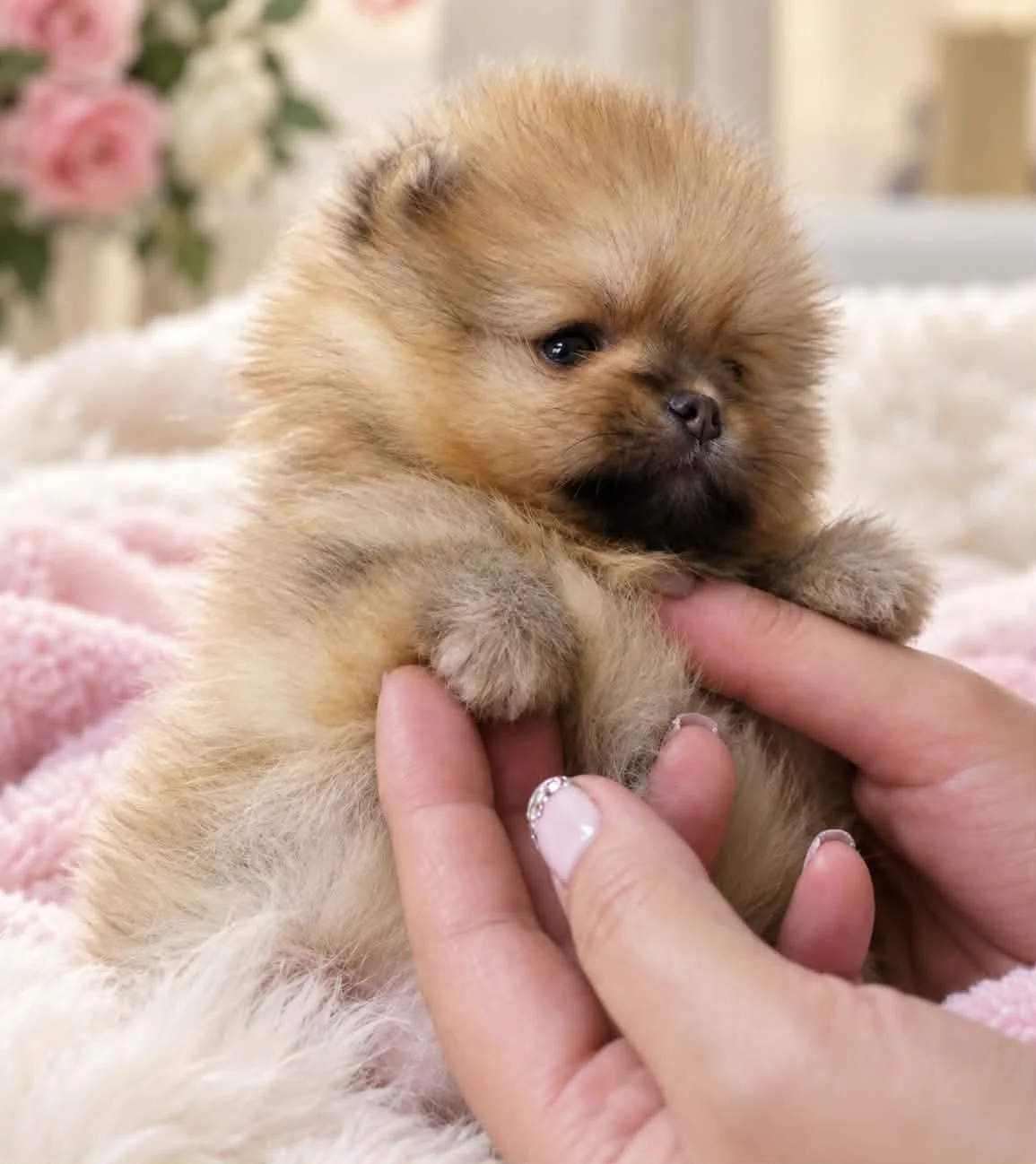
A comprehensive breed history of the Pomeranian Zwergspitz: Arctic working lineages, royal miniaturization in Victorian England, and the modern FCI breed standard.
The Pomeranian, known globally as one of the premier toy companion breeds, captivates dog lovers with its lavish double coat, diminutive stature, and effervescent personality. Yet behind today's glamorous family companion lies a storied heritage spanning centuries of European spitz evolution. The breed's ancestral lineage was drastically larger, serving as vigorous working dogs across northern Europe.
Within the Fédération Cynologique Internationale (FCI) system, the Pomeranian is officially categorized as the Zwergspitz, the smallest variety of the Deutscher Spitz family. FCI breed history traces ancestral roots back to stone age peat dogs (Torfhund) and lake-dwelling spitzes (Pfahlbauspitz), making the continental spitz one of Central Europe's oldest documented canine lineages.
The name 'Pomeranian' stems from the historical Baltic territory of Pomerania (modern-day north-west Poland and north-east Germany). It was here that early breeders first selectively bred ancestral 20-to-30-pound (9–14 kg) working dogs toward a more compact size, meticulously preserving their thick double coat, erect ears, and arched plume of a tail.
The historical turning point occurred in the royal court of Great Britain. Queen Victoria fell in love with the breed in Florence, established her own royal kennel, and intentionally refined the dogs to true toy proportions. Her champion, 'Marco', weighed just 12 pounds, transforming the Pomeranian into the definitive high-society status symbol across Europe.
By the early 20th century, the Pomeranian gained international renown. The American Pomeranian Club hosted its inaugural specialty in 1911 at New York's Waldorf-Astoria Hotel. In an extraordinary historical footnote, when the Titanic sank in 1912, two of the three canine survivors rescued in lifeboats were Pomeranians traveling with first-class passengers.
Nomenclature often sparks curiosity: 'Pomeranian' and 'Zwergspitz' describe the exact same breed. Under FCI standard No. 97, Germany is recognized as the country of origin, with an ideal withers height of 21 cm ± 3 cm.
At Magic Little Foot, we take profound pride in stewarding this royal spitz legacy, breeding healthy, beautifully balanced Pomeranians whose boundless intelligence and affectionate nature enrich families worldwide.
Discover Our Knowledge Hub
Explore official international breed standards, comprehensive grooming protocols and responsible puppy parenting guides.